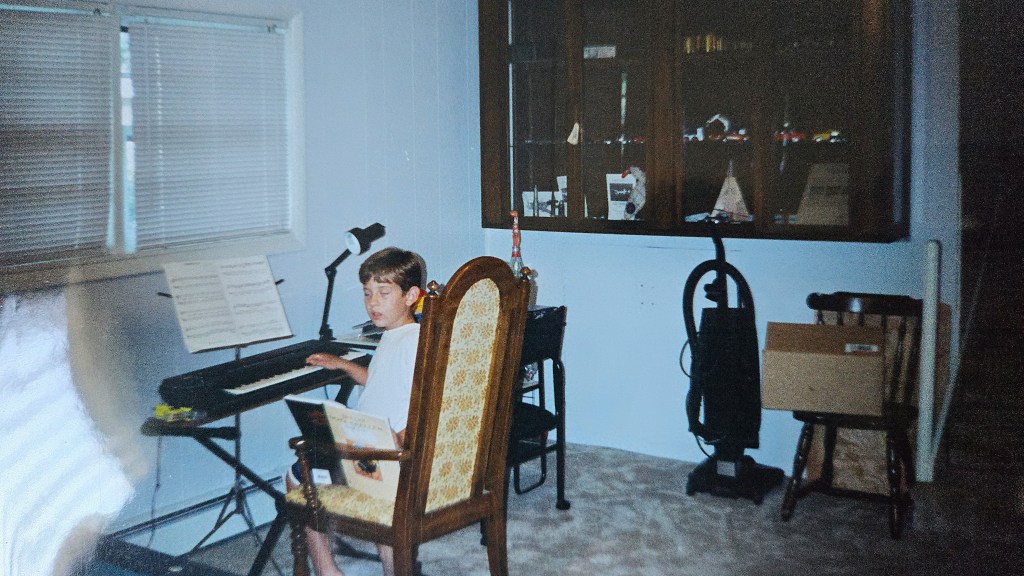
For years, I’ve wondered why I crave creative validation. Of course, writers write to be read, and musicians play to be heard, but shouldn’t I be creating for the joy and the love of it? Shouldn’t I be sharing my work without expectation?
Ideally, yes, but more often than not, I’ve felt like an emotional puppet being dragged about on stage. To remedy this, I’ve been asking myself new questions: “What would I be creating if the internet did not exist? Would I be creating at all? If I could make whatever I wanted, what would it be?”
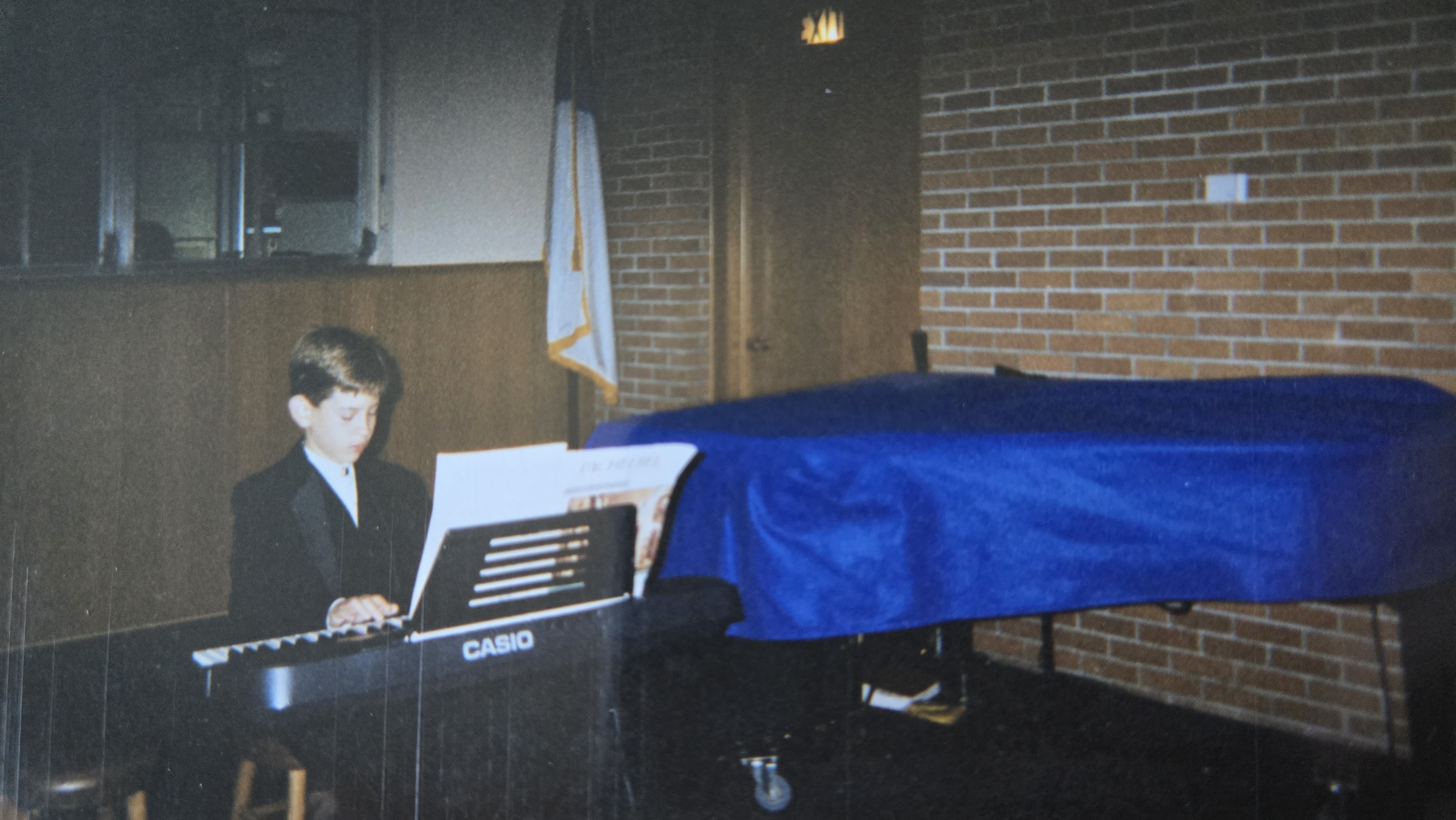
This little thought game has been going on for months, and the other day, as if in response to my queries, a memory resurfaced. The memory is not new to me, but I have never shared it before:
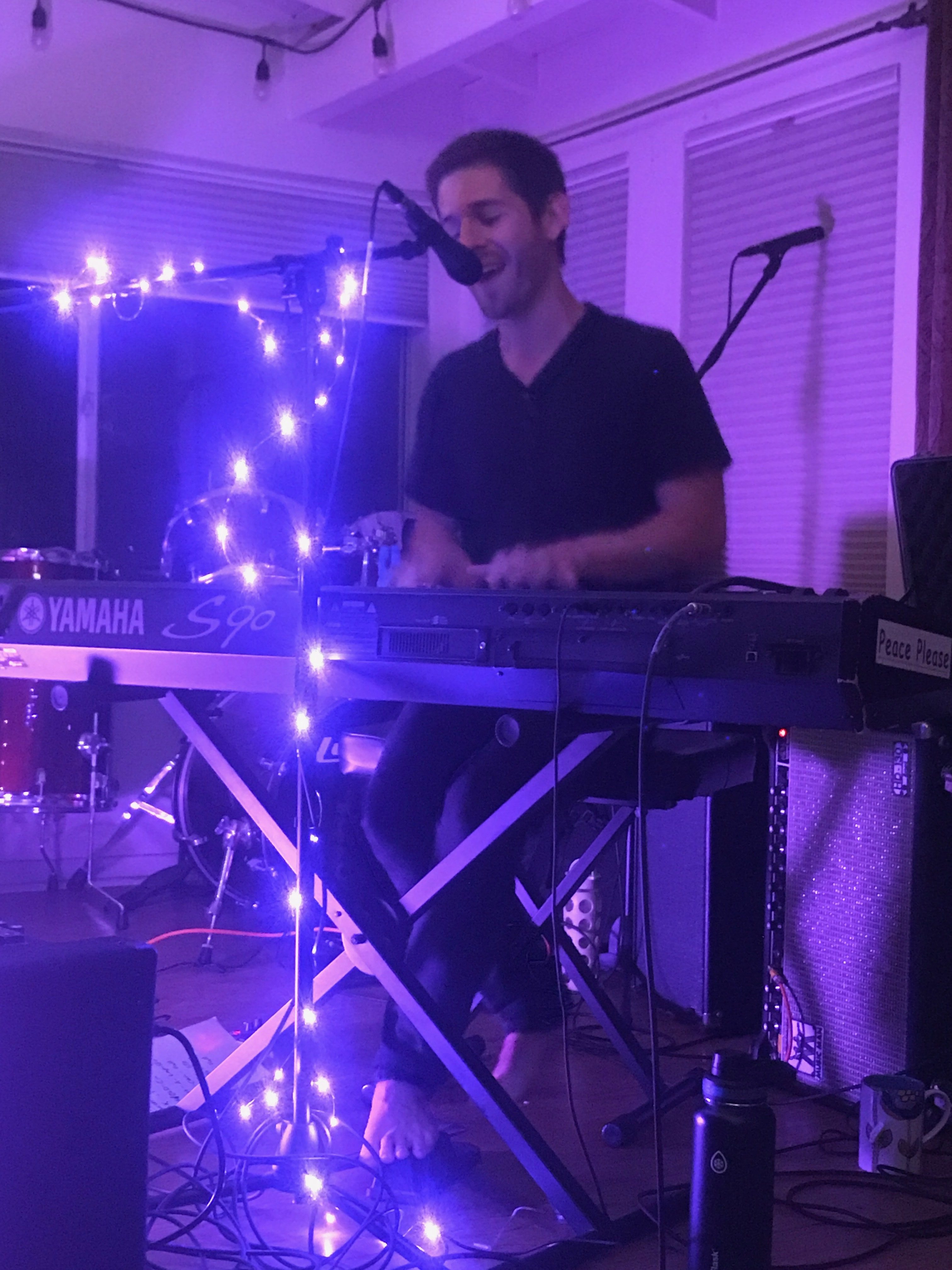
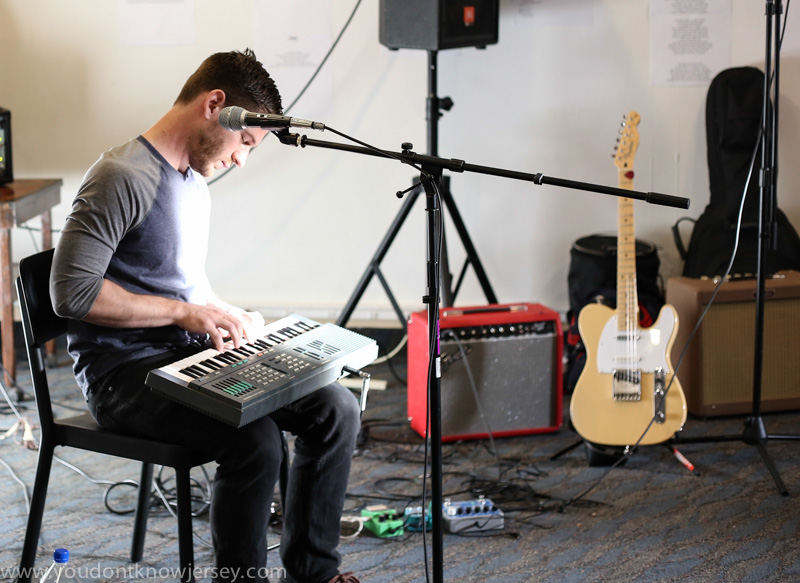
I am 15 years old, living in Granger, Indiana. I am in my room, playing my keyboard and singing, as I do every night. Excited about an almost-finished song, I head downstairs to see my mom. I want to play it for her.
Before I approach her, I clock the room: she is sitting on a stool near the island in the kitchen. A few dozen feet in front of her, the TV is on, but she is not watching it. Her body is upright but slouched. Her head is tilted down, as if she is looking at something far away, something I cannot see.
The small island to her right has two gas burners on it and in between them is a vent, covered by a narrow white grate. My mom and my step-dad use this vent to smoke cigarettes inside the house.
Disappointment is already looming. I know I shouldn’t say anything; I should go back upstairs. I want to stop myself, but it is too late.
“I just finished a new song. Can I play it for you?”
The words fall out of my mouth into deep well; a few moments later, I hear them hit the bottom. She tilts her head up slightly, then exhales a plume of smoke that is instantly sucked into the vent like a cast-out spirit. She does not look me in the eyes; she is still far away.
She sighs. Then, referencing the TV she is not watching, she says, “When there’s a commercial.”
She ashes her cigarette in glass dish and tilts her head down. I say nothing and walk back to my room.
I never asked her to listen to anything after that, but there weren’t many opportunities anyway, considering the veritable shitstorm of the remaining year. The point is that I went looking for validation and encouragement and was met with a begrudging disinterest, as if I was a nuisance. And as much as I don’t want to, it is hard not to read this memory etiologically, that is, to see it as the origin of my craving for validation. But that wouldn’t be entirely true either, because I began performing years before that moment.
As I considered all of this, I remembered that I used to create for no reason at all; I just did it, it wasn’t even a conscious choice. Truthfully, I didn’t care whether anyone liked my music or not. I didn’t compare myself with others and I didn’t judge myself. I just let myself play.
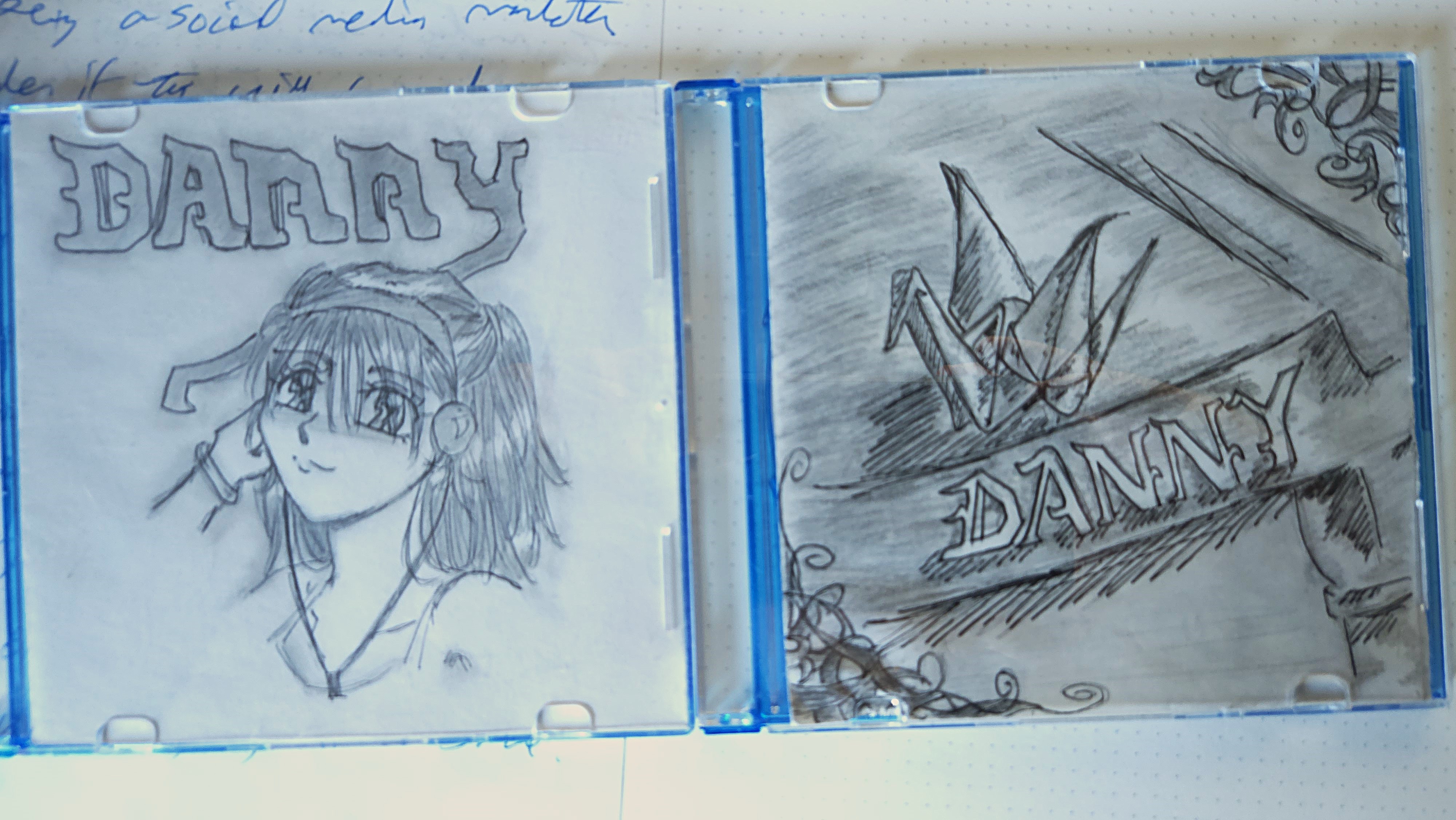
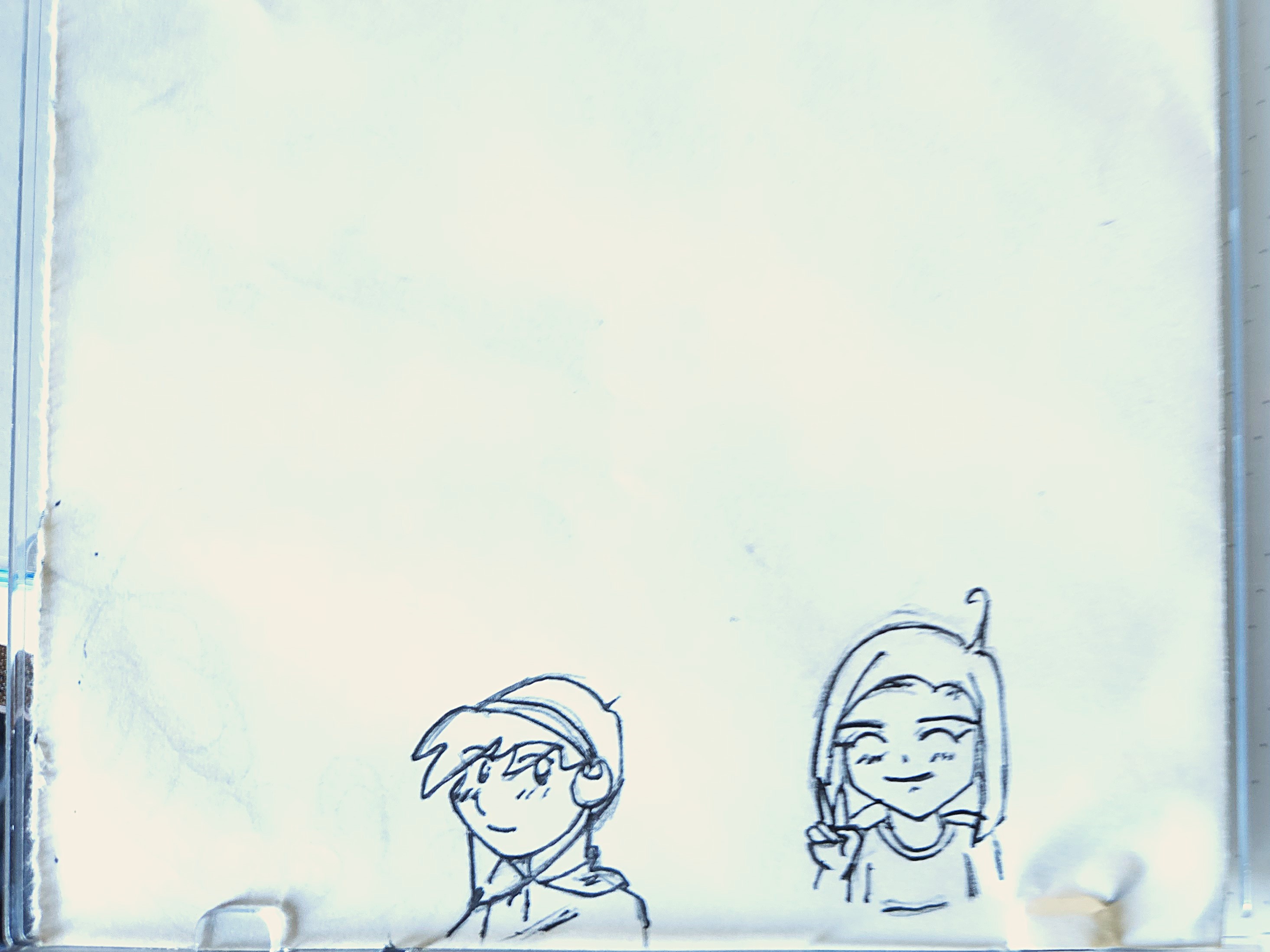
I also remembered how, especially around ages 13–14, I sought out musical mothers and mentors: Björk and Tori Amos are the most obvious examples, but I also fell in love with Damien Rice and Lisa Hannigan, as well as the fiery sci-fi soundscapes of Jimi Hendrix. I found so much solace in their music, and within a few years, I created a sonic haven of my own.
But when I went to college to study music, everything collapsed. The older I got, the less impressed people were with me as a songwriter and musician. As I entered my 20s, the process of songwriting became arduous, time-consuming, and agonizing. I still wrote, but it took me months or even years to finish a single song. I started to accept that I would never “make it” as a musician.
Still, whether I liked it or not, I still played music everywhere I went: at psychology conferences, on regional mini-tours of the U.S. with Liv, at house shows on the central coast of California, at gallery openings in Chicago, at bars in Dallas, at playhouses in New Orleans. Performances may not have happened as frequently as they did when I was younger, but still they happened, nonetheless.
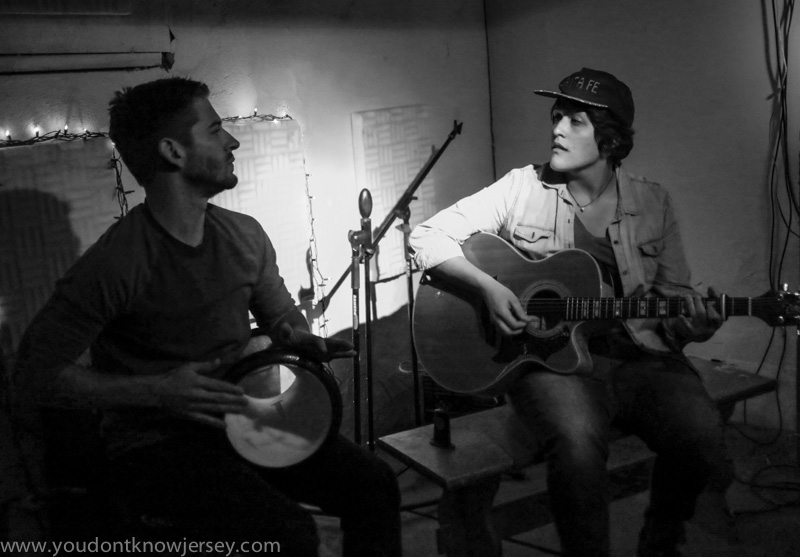
When I returned to California in 2017, I was finally able to purchase an audio interface and decent microphones. But then I froze. It felt like I was starting all over again, using pieces of a fragmented identity to scrape some music together. I wanted to sing, play, write, and record, and sometimes I did—but I would quickly put my equipment away, as if hiding it from myself. This went on for about 5 years.
Even as I wrote my dissertation, I tried to put together EPs and albums, but these projects always evaporated within a few days. Until then, I hadn’t acknowledged my own limitations. Painful as it was, I had to recognize that my dissertation was like a massive star taking up most of the space in my creative solar system. But lo and behold, as I finished the dissertation, I started writing music again.
The other difficult thing about being a “creative person” is that I know a lot of other creative people, and sometimes their comments are more wounding or discouraging than I’d like to admit. But the primary issue here is not the responses (or silence) I’ve received from others, it’s the fact that the craving for creative validation never seems to go away. And when I share something and feel ignored or dismissed, it almost inevitably brings me back to that moment in the kitchen, nearly 20 years ago.
On many occasions, I’ve felt that it would be better if I simply shut up, stopped trying, and stopped bothering people with my work. It’s been an ongoing conflict for many years, which is why I decided to get it out of my system by writing about it. And strangely—and quite unexpectedly—music has been returning to me with an unprecedented force, a kind of pure feeling, like an ecstatic reckoning. As this feeling closes in on me, I feel myself getting closer to something I lost; it’s like I’ve been clawing at the wall for 15 years, trying to get out, and there’s been an open door right behind me the entire time.
As I return more and more to music, I am learning to welcome the silence and the indifference, the criticisms and the compliments, because they are all equal in my eyes. Besides, without silence, without space, there can be no sound, no music, and no listening.
And so:
             On those cold winter nights
             When tree branches flail
             Like the arms of drowning men,
             The scared townsfolk
             Locked in their houses, shivering,
             Delusional in their beds, struggling
             To keep out a sharp wind—

                 Willingly,
            I step into the night
            Which rips at my throat
            Like a trespassing rat,
            Ragging me side to side,
            Rending arteries, splitting
            Bone, chewing flesh
            Until nothing remains
             But the sound of the air
Note: This post was originally published on my old Substack in 2024.
 Daniel Siuba
Leave a comment